
AI: The Digital Marketing Revolution in 2025 and Beyond
How to Stay Ahead of the Curve
The digital marketing world is rapidly evolving, and artificial intelligence (AI) is at the forefront of this transformation. By 2025, AI-driven tools such as ChatGPT, predictive analytics, and automation will fundamentally transform how we run marketing campaigns, personalize experiences, and engage with customers. Marketers who leverage AI effectively will gain a significant competitive advantage, boost efficiency, and deliver deeply personalized experiences, thereby building stronger brands and fostering unwavering customer loyalty.
The Indispensable Role of AI in Digital Marketing’s Future
1. AI-Powered Chatbots and Conversational Marketing: Building Relationships, 24/7
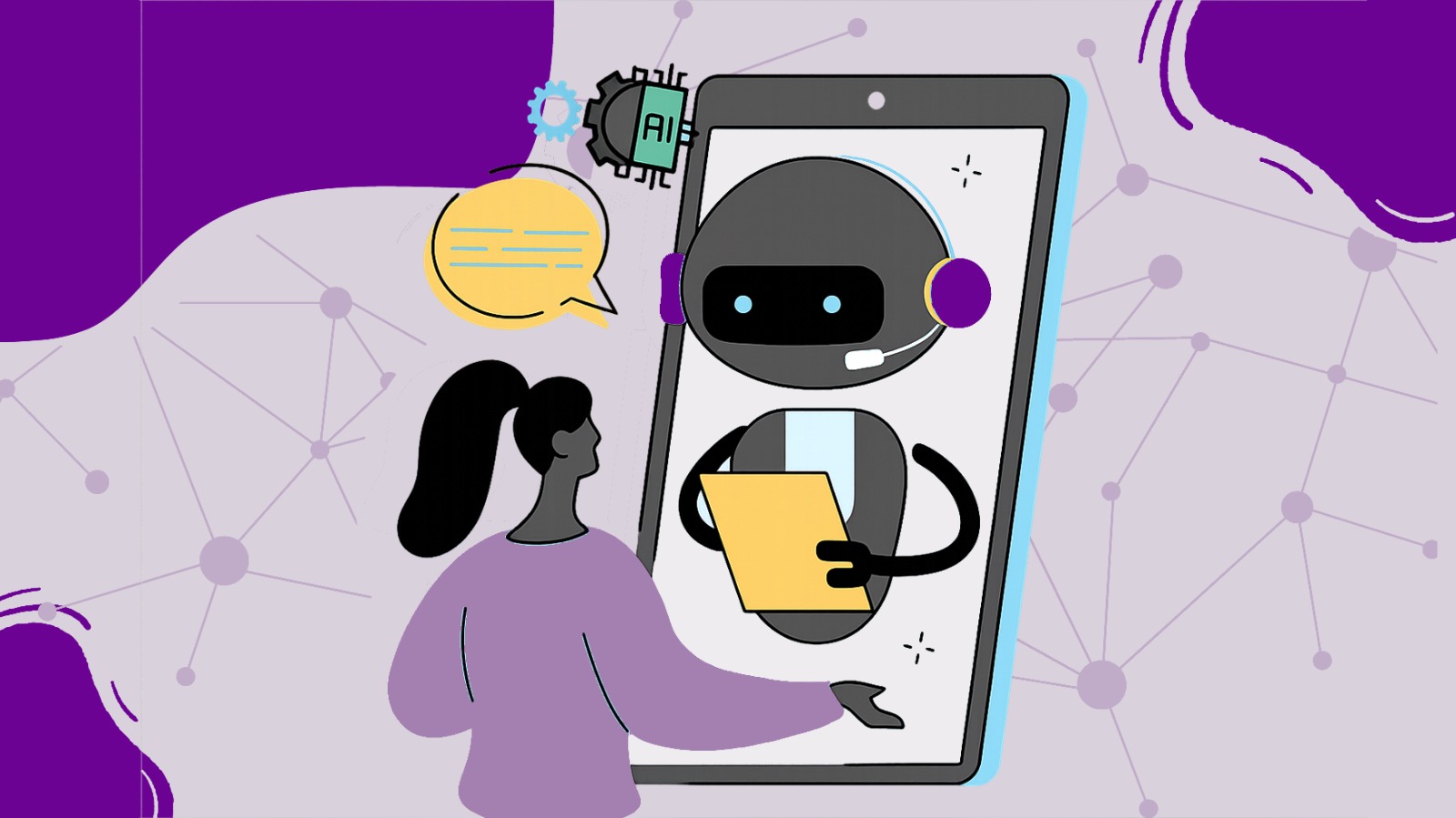
- AI chatbots, like ChatGPT, have become indispensable for customer service and engagement. These advanced bots utilize Natural Language Processing (NLP) to understand and respond to customer queries in real-time, drastically reducing wait times and enhancing customer satisfaction.
- Conversational AI enables brands to maintain 24/7 communication, offer personalized product recommendations, and significantly enhance lead-generation efforts.
- These bots can also learn from interactions, improving the accuracy of their responses over time.
2. Predictive Analytics for Smarter Decision-Making: Foreseeing Customer Need
- AI-driven predictive analytics empowers marketers to anticipate customer behaviors based on past interactions and data trends.
- Businesses can use predictive models to refine marketing campaigns, identify and target high-value customers, and optimize ad spending for maximum ROI.
- By analyzing vast datasets, AI identifies intricate patterns and suggests actionable strategies, providing a sense of confidence and security in decision-making.
3. Hyper-Personalization with AI: Tailoring Experiences to Individual Preferences
- Personalization has evolved beyond simple name recognition. AI enables hyper-personalization by analyzing customer preferences, browsing history, and real-time interactions to deliver highly relevant content, product recommendations, and email marketing campaigns.
- AI-powered recommendation engines, like those used by Amazon and Netflix, demonstrate how deeply personalized experiences drive engagement and conversions.
- AI can also adjust websites in real-time to display different content to users.
4. AI-Driven Content Creation: Scaling Content Production and Optimization
- AI-generated content is reshaping digital marketing. Tools like ChatGPT, Jasper, and Copy.ai help marketers generate blog posts, product descriptions, and ad copy at scale, significantly reducing the time required for content creation.
- AI also optimizes content for SEO by analyzing keyword trends, competitor content, and search engine algorithms to improve organic reach and rankings.
- AI can also assist with translating content into multiple languages.
5. Automated Social Media Marketing: Enhancing Engagement and Efficiency
- Social media platforms increasingly rely on AI to enhance engagement and streamline workflows. AI-powered tools like Sprout Social, Hootsuite, and Canva analyze audience behavior, suggest optimal posting times, and generate creative content.
- Automated responses and AI-driven social listening help brands track brand sentiment, monitor competitors, and effectively engage with users.
- AI can help identify influencers and analyze social media trends.
6. Programmatic Advertising and AI-Powered Ad Targeting: Maximizing Ad ROI
- AI redefines digital advertising through programmatic advertising, where machine learning algorithms automate real-time ad placements.
- AI identifies ideal target audiences, optimizes bidding strategies, and improves ad performance, ensuring that businesses achieve higher ROI from their ad spend.
- AI can also prevent ad fraud.
7. Voice Search and AI Assistants: Capturing the Voice-Activated Audience
- The rise of voice search and AI assistants, such as Google Assistant, Siri, and Alexa, is changing how consumers interact with brands.
- Marketers must optimize their content for voice search by focusing on conversational keywords and implementing local SEO strategies.
- AI helps businesses refine voice search strategies to capture a growing audience that prefers hands-free interactions.
8. AI-Powered Video Marketing: Creating Engaging Video Content at Scale
- AI enhances video marketing by automating video creation, editing, and optimization. AI tools like Synthesia generate human-like avatars and voiceovers, significantly simplifying the video production process.
- AI-driven analytics measure viewer engagement and suggest improvements. Personalized video content tailored to user preferences increases audience engagement and brand loyalty.
- AI can help create subtitles and translate video content.
9. Email Marketing Automation and AI: Delivering Personalized Email Experiences
- AI-driven email marketing tools personalize subject lines, predict the best send times, and segment audiences based on behavior.
- Automated email workflows enable businesses to reach customers promptly with highly relevant content, thereby improving open rates and conversions.
- AI can help write email content.
10. AI and Augmented Reality (AR) in Marketing: Blending the Physical and Digital Worlds
- AI-powered AR experiences are becoming a popular marketing tool. Brands leverage AI-driven AR filters and virtual try-ons to enhance customer interactions.
- Industries such as fashion, beauty, and home decor utilize AI-enhanced AR to enable customers to visualize products before making a purchase, resulting in more informed decision-making and increased sales.
- AI can help create realistic AR experiences.
The Future of AI in Digital Marketing: Embracing Innovation and Adaptation
The role of AI in digital marketing is expected to continue expanding in 2025 and beyond. Businesses that embrace AI-driven strategies will gain deeper customer insights, improve operational efficiency, and deliver highly targeted campaigns. However, marketers must strike a balance between AI automation and human creativity to ensure authenticity and emotional customer connections.
Final Thoughts: Embracing the AI Revolution
AI is no longer a futuristic concept; it’s the present and future of digital marketing. From chatbots and predictive analytics to hyper-personalization and programmatic advertising, AI-driven tools are transforming marketing strategies. Learning from successful AI implementations by companies like Amazon and Netflix is essential. Brands that invest in AI technology and data-driven decision-making will stay ahead of the competition and build stronger customer relationships in 2025 and beyond.
Are you ready to integrate AI into your marketing strategy? The future is now, and AI-powered marketing is the key to unlocking your digital potential!
